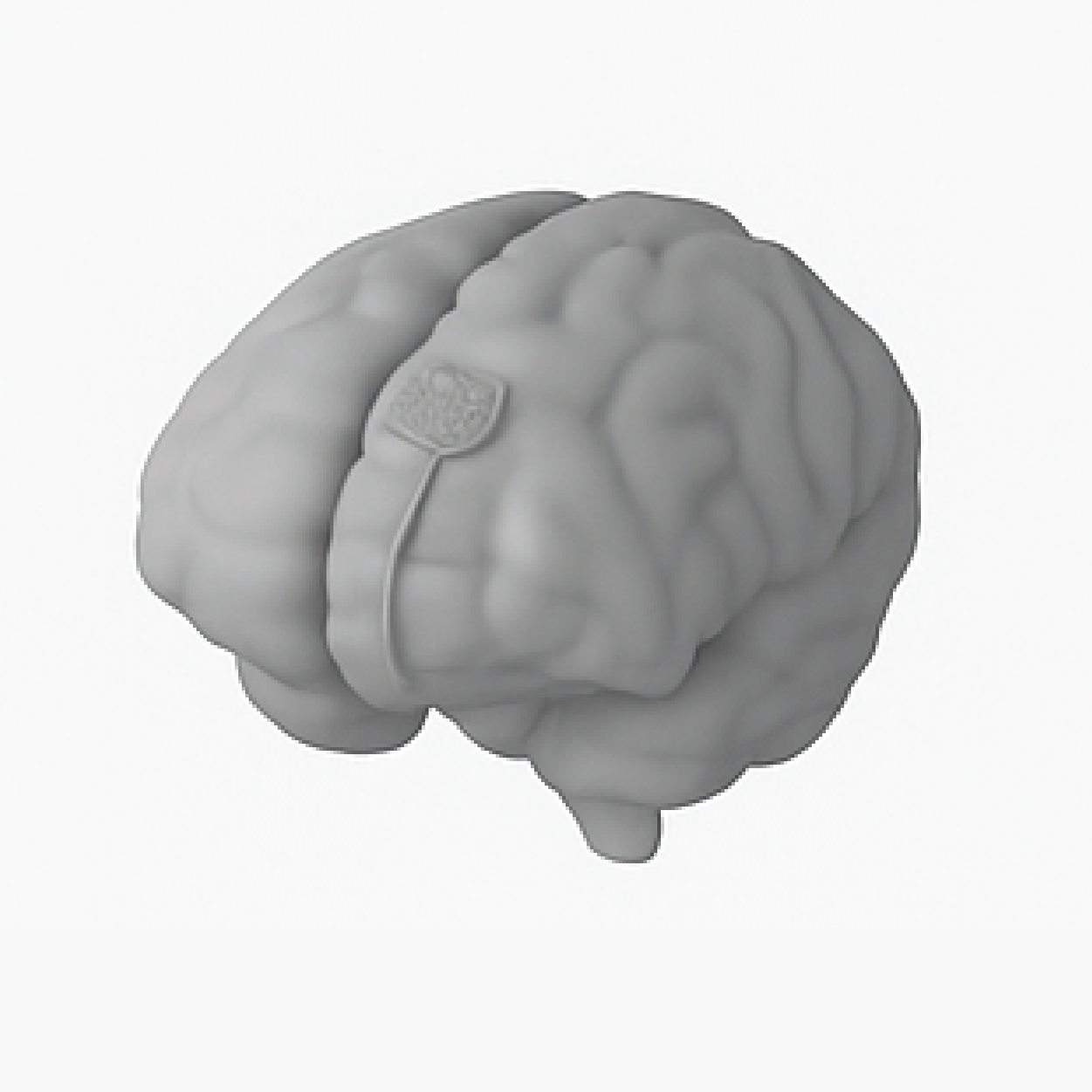
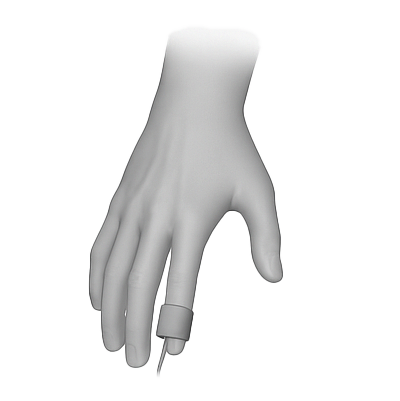
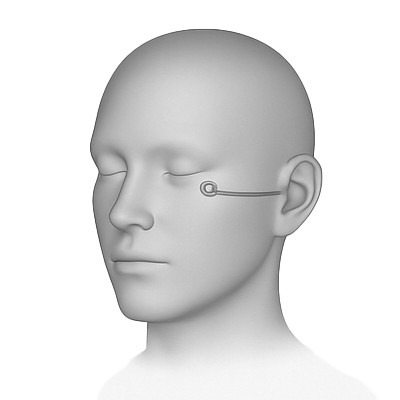
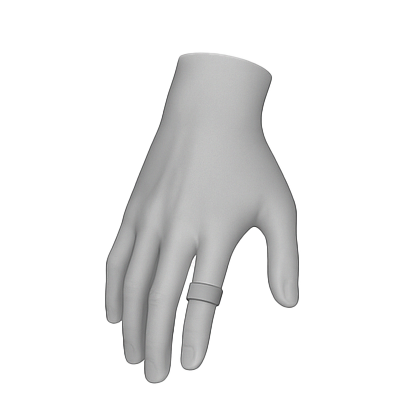
Our brains and bodies speak a rich and complex biological language of neural and physiological
signals, a language that AI models are increasingly capable of deciphering as large-scale
datasets become available. Recent advances in brain interfacing and wearable technologies,
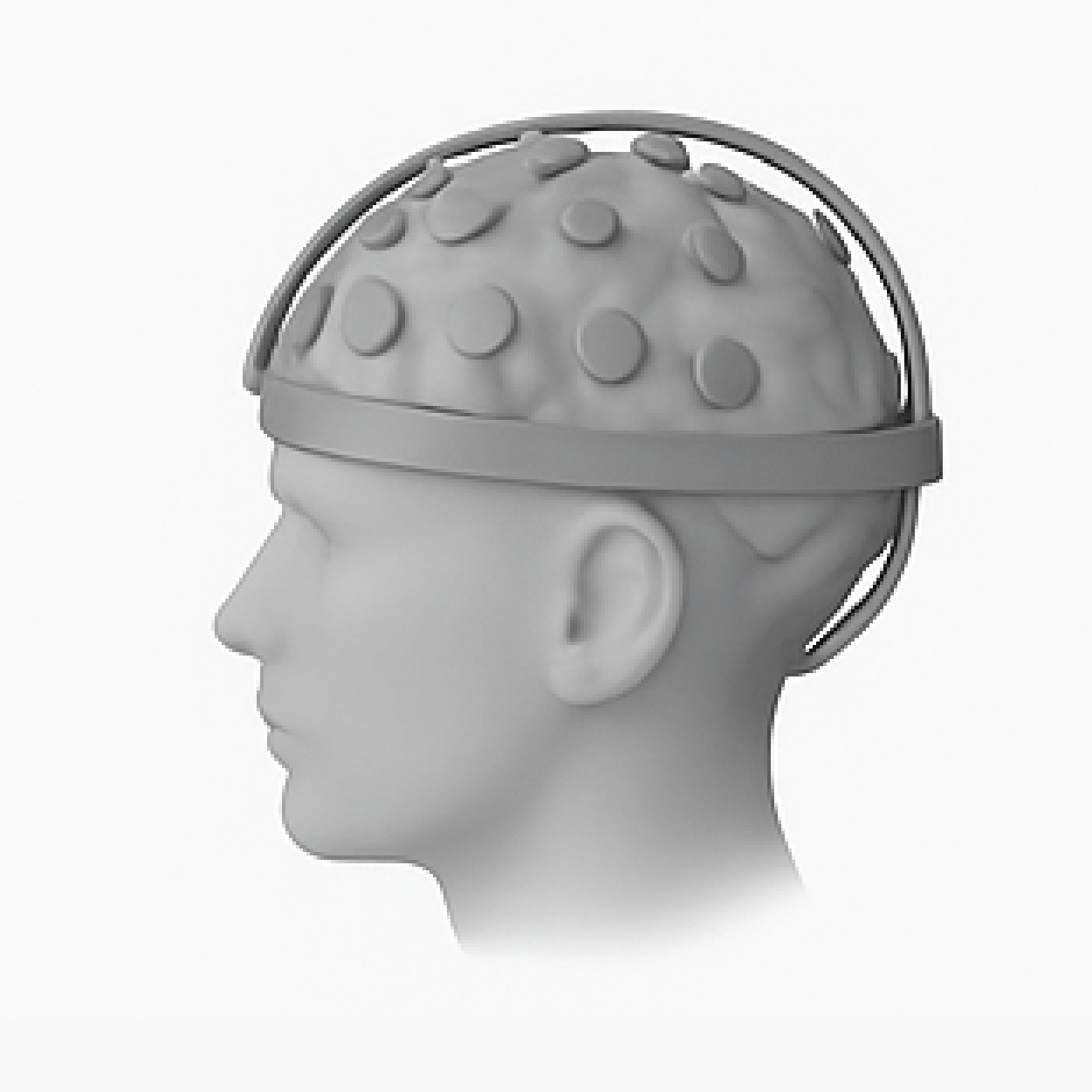
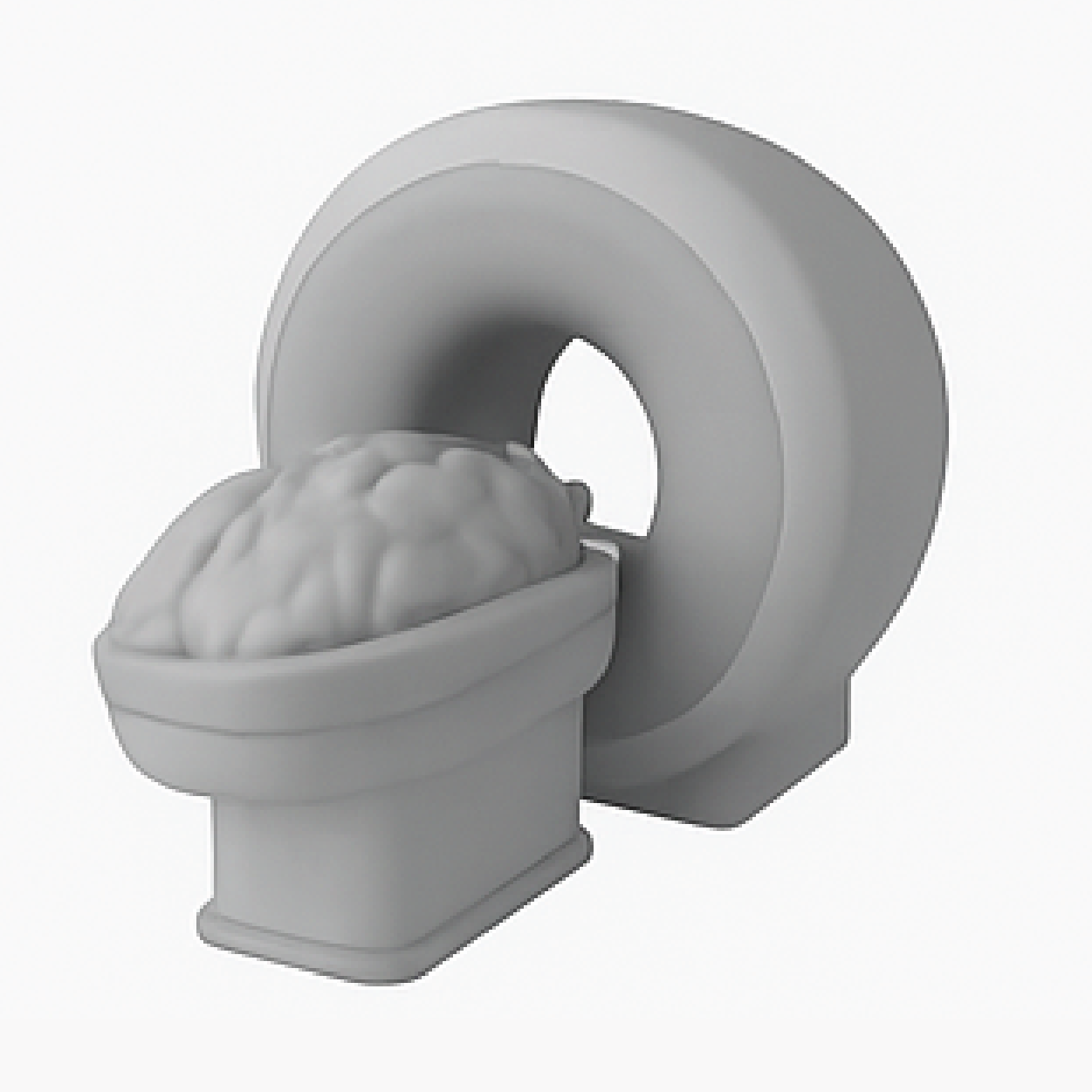
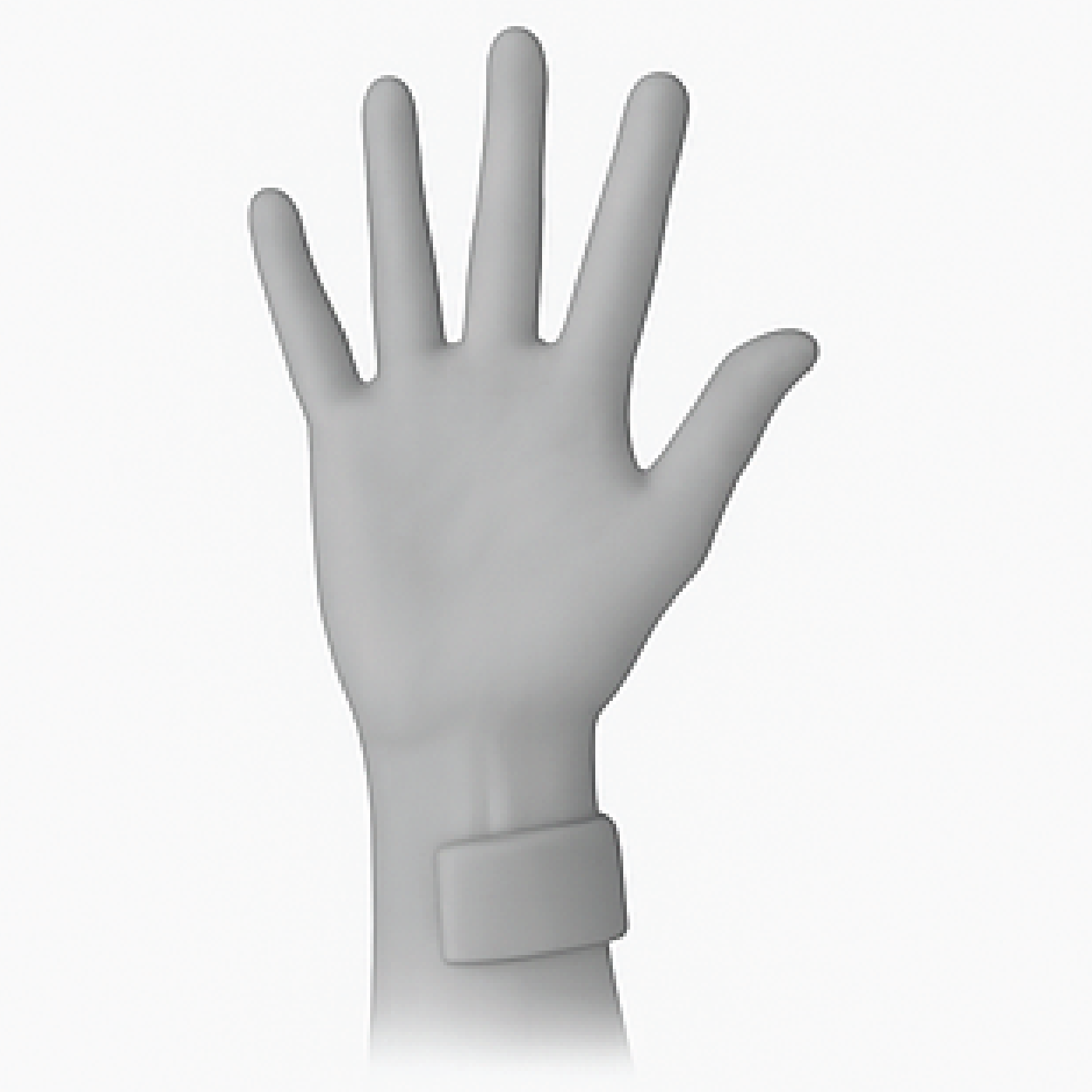
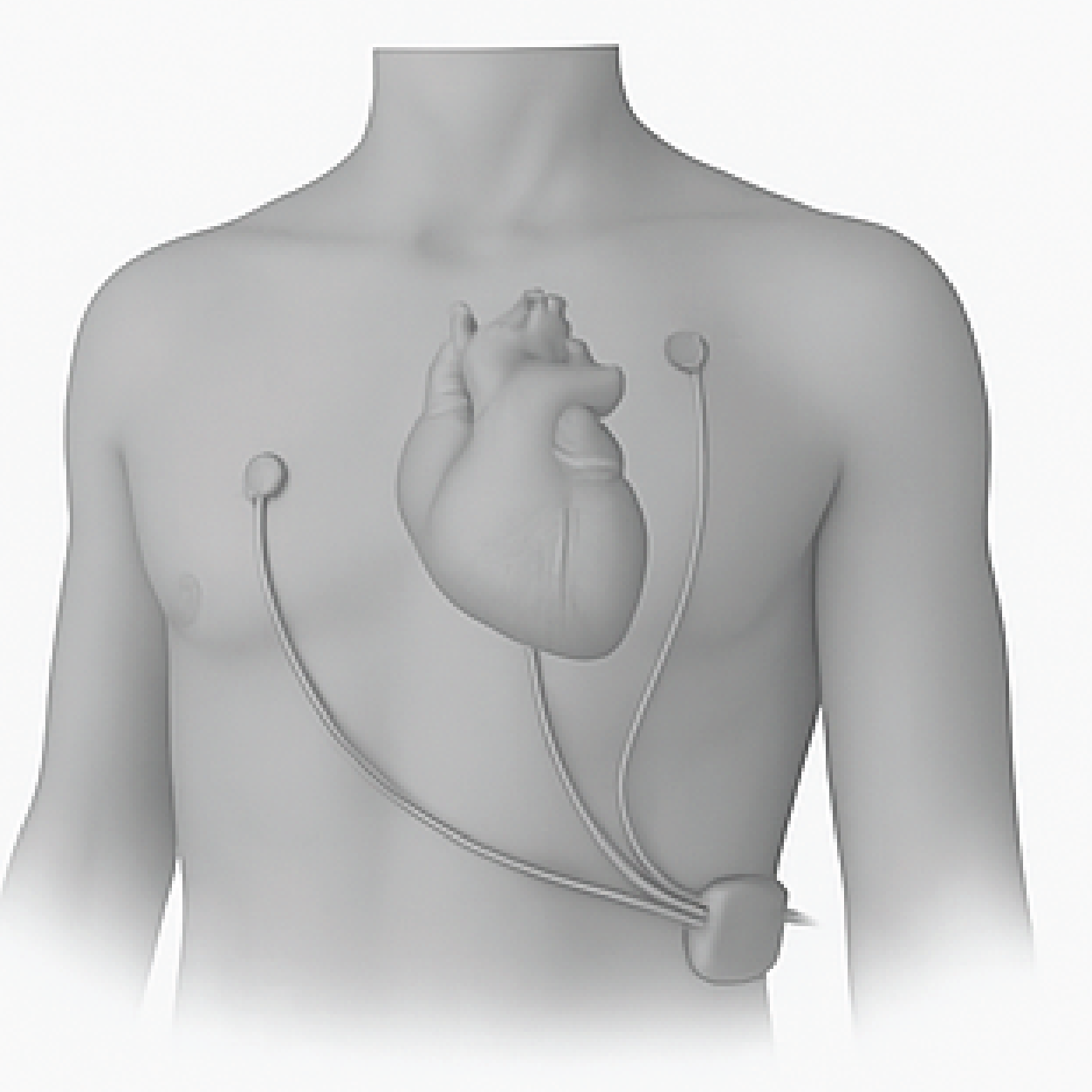
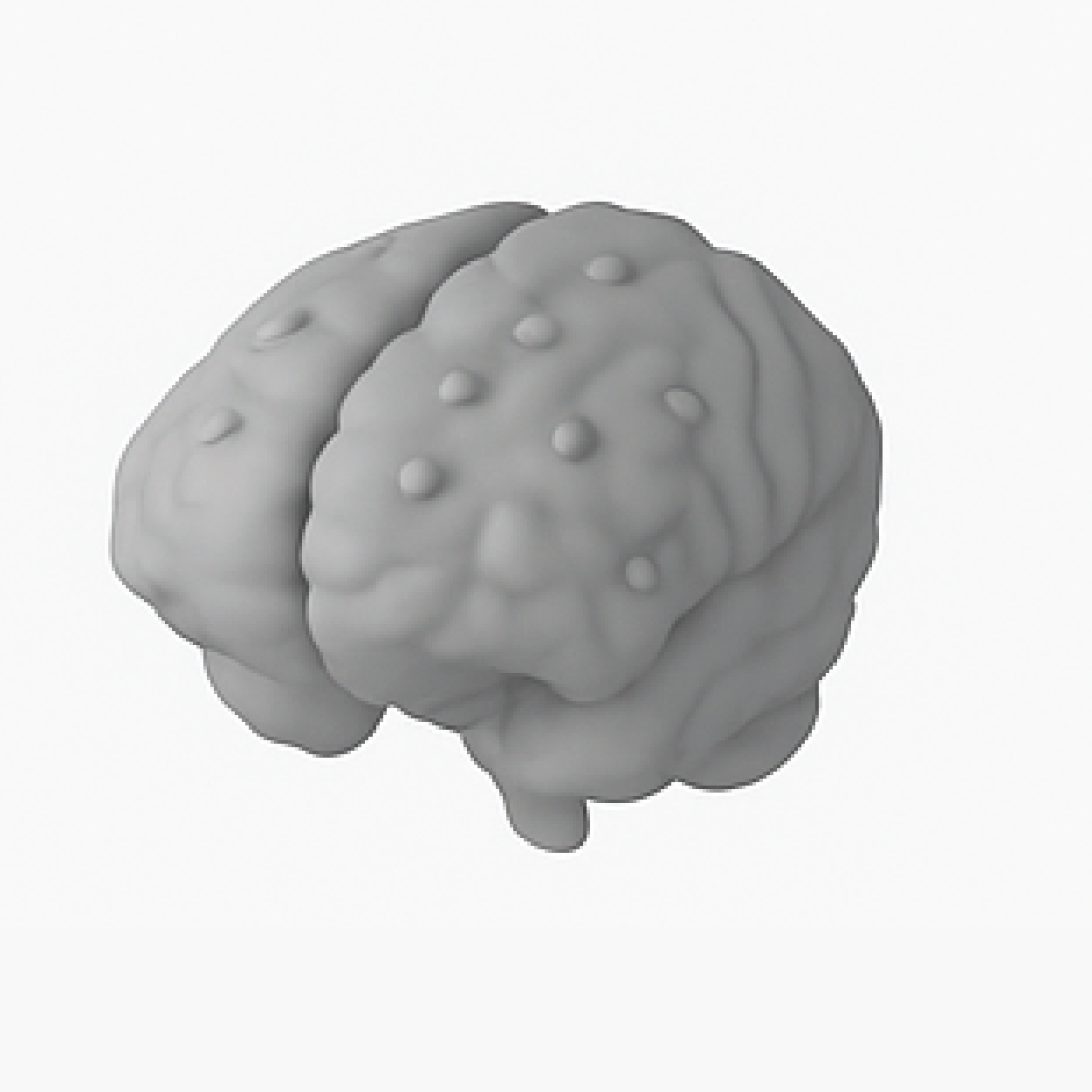
including EEG, intracortical electrophysiology, EMG, MEG, and ECG, have enabled the broad
collection of these signals across real-world contexts and diverse populations. This growing
wealth of data is driving a shift toward foundation models: large-scale, pretrained AI systems
designed to learn from biosignals and generalize across diverse downstream applications, from
brain-computer interfacing to health monitoring.
Realizing this potential, however, requires addressing the unique challenges that come with
biosignal timeseries: they are noisy, heterogeneous, and collected under variable conditions
across subjects, devices, and environments. To meet these challenges, this workshop brings
together neuroscientists, biomedical engineers, wearable tech researchers, and machine learning
experts advancing foundation model approaches. Through interdisciplinary dialogue, we aim to
catalyze the next generation of AI models that can capture the complexity of the brain, body,
and behavior at scale. This year we broaden the scope toward embodied intelligence: foundation
models for movement, motor control, and closed-loop interaction between brain, body, and
machine. We also turn attention to how progress is measured. Evaluation has matured unevenly
across subfields: EEG has developed mature benchmarks and large-scale challenges, while other
modalities still lack agreed-upon protocols for testing whether pretraining genuinely helps.
This year we are adding a dedicated panel discussion on benchmarking, bringing together authors
of influential benchmarking efforts to share which evaluation practices have proven effective
and which pitfalls to avoid, so that lessons hard-won in one modality can accelerate progress
across the others.