Call for Papers
Submit through OpenReviewImportant Dates
-
Submissions OpenAugust 3, 2026Upcoming
-
Submission DeadlineSeptember 5, 2026 AoEUpcoming
-
Accept/Reject NotificationSeptember 29, 2026Upcoming
-
Camera Ready DeadlineNovember 6, 2026Upcoming
-
WorkshopDecember 11 or 12, 2026Upcoming
We invite submissions of short papers on novel research in neuroscience, biosignal analysis, and machine learning, with a focus on foundation models and representation learning for neural, physiological and behavioral data.
We broadly define biosignals as any temporal signal directly or indirectly generated by the brain or body. This includes neural recordings (e.g., EEG, MEG, multi-electrode arrays), physiological signals (e.g., heart rate, respiration), and behavioral signals (e.g., pose extracted from video, gaze). Submissions may focus on methods, applications, or theoretical insights that enhance our understanding of neural and physiological signals in humans and animals. We particularly encourage submissions aligned with foundation model research: models that demonstrate scalability, generalization across tasks, subjects, or modalities. This edition places particular emphasis on the motor side of the loop — movement, motor control, and closed-loop interaction, where models do not only decode the brain and body but act with them. We especially welcome work that carries scaling and generalization techniques from robotics and embodied AI into biosignal modeling.
Relevant Topics Include, but are not limited to:
- Large-scale pretraining on neural or physiological signals
- Scaling laws for biosignal foundation models
- Brain-computer interfaces and neural decoding
- Self-supervised learning for biosignals
- Transfer learning across recording modalities
- Cross-subject and cross-task generalization
- Few-shot, zero-shot, and continual learning in biosignal contexts
- Multimodal integration of biosignals
- Wearable technology and real-world deployment
- Robust models for noisy biosignal data
- Modeling behavioral signals (e.g., pose, gaze, movement)
- Foundation models for movement, motor control, and EMG
- Embodied intelligence and sensorimotor representation learning
- Applications to health and clinical diagnosis
- Interpretability of biosignal representations
- Synthetic data generation and augmentation for biosignals
- Human-AI collaboration for signal interpretation and labeling
- Closed-loop and interactive systems (neurofeedback, BCI control, assistive robotics)
- Scaling techniques from robotics and control applied to biosignal modeling
- Open datasets, benchmarks, and model evaluation
- Evaluation protocols and standardized benchmarks across modalities
- Measuring whether pretraining helps: probing and downstream evaluation
- Large-scale challenges and community evaluation efforts
- Reproducibility and standardized reporting
Examples of Biosignals:
Microarrays
Spikes, LFP
EEG
Electroencephalography
fMRI
Functional MRI
EMG
Electromyography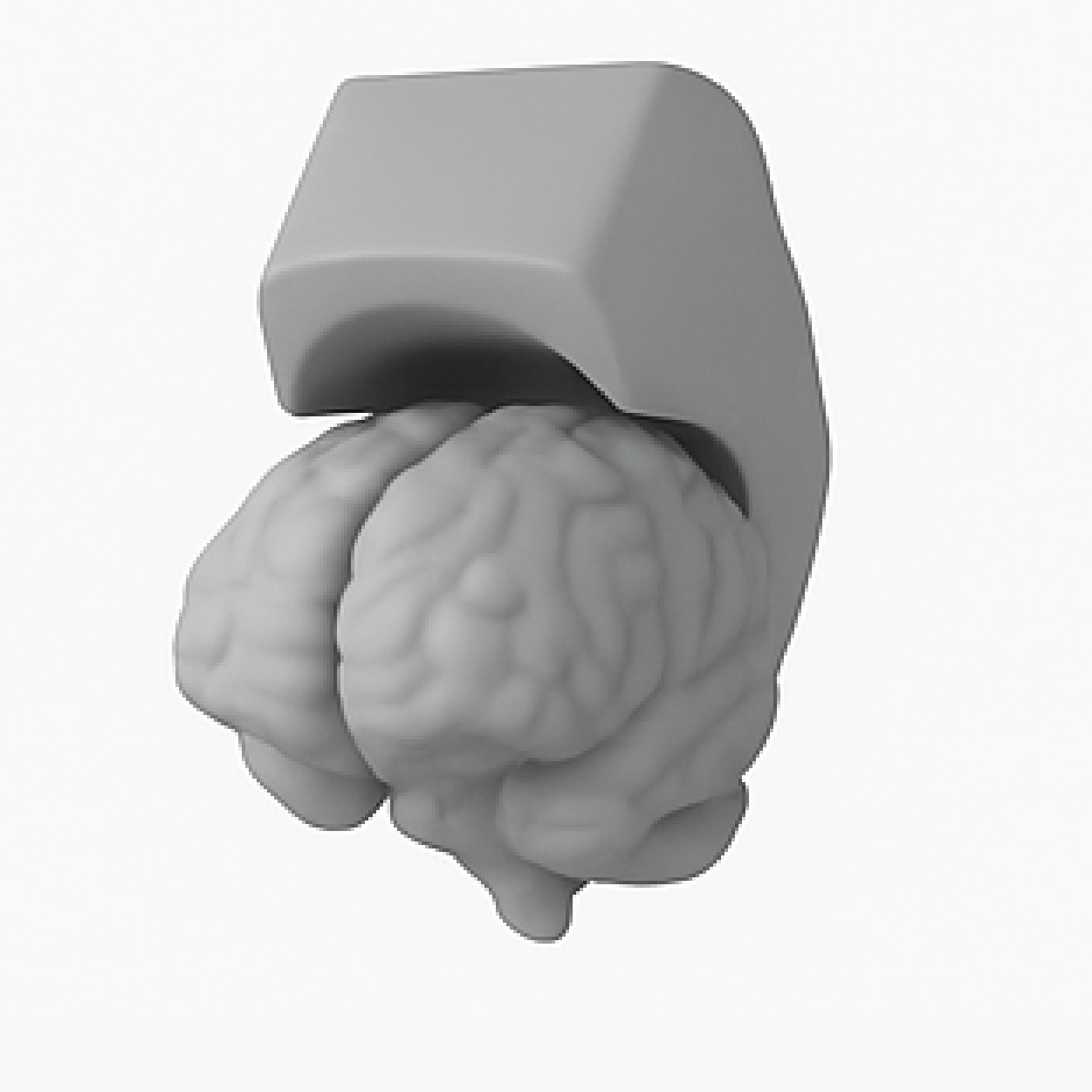
MEG
Magnetoencephalography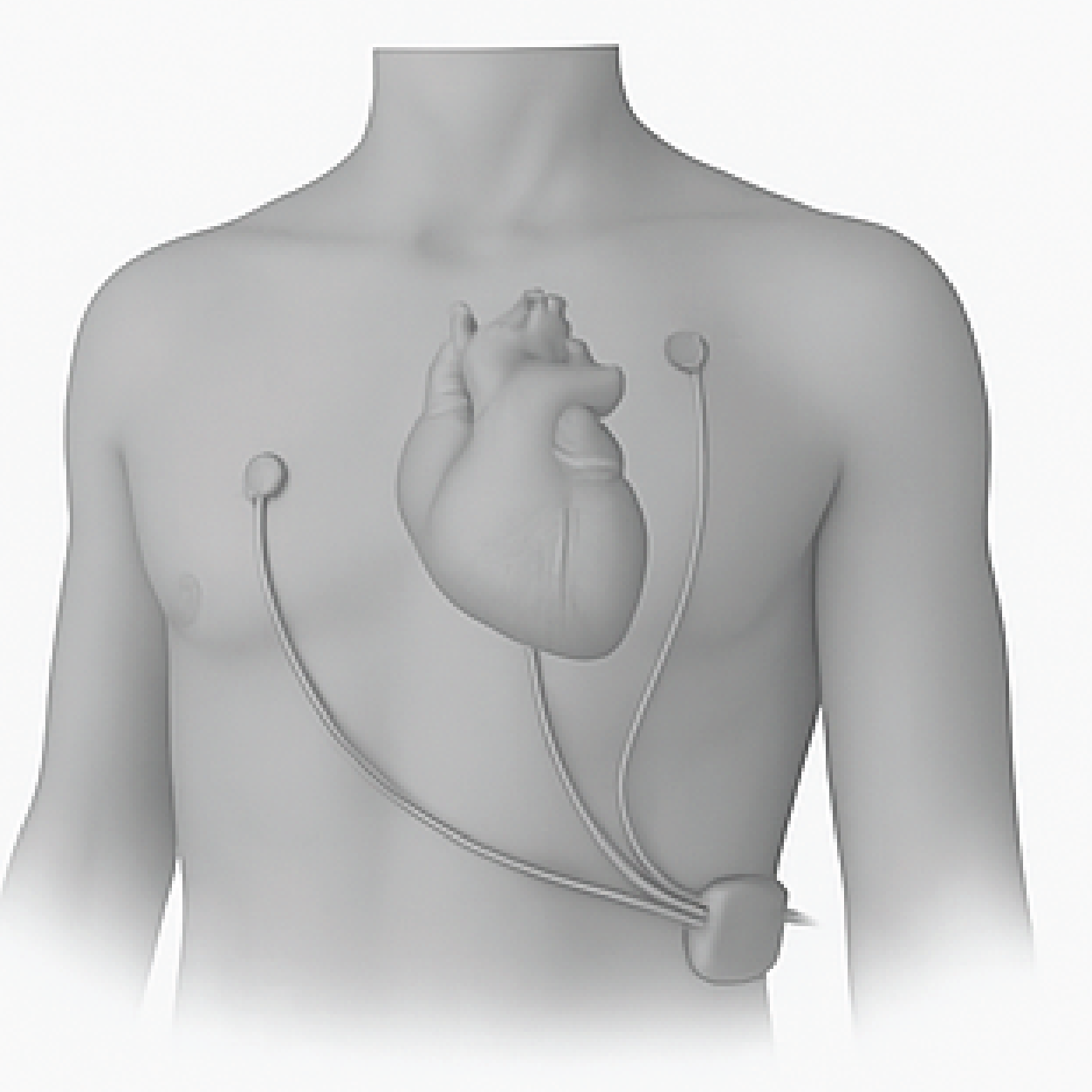
ECG
Electrocardiography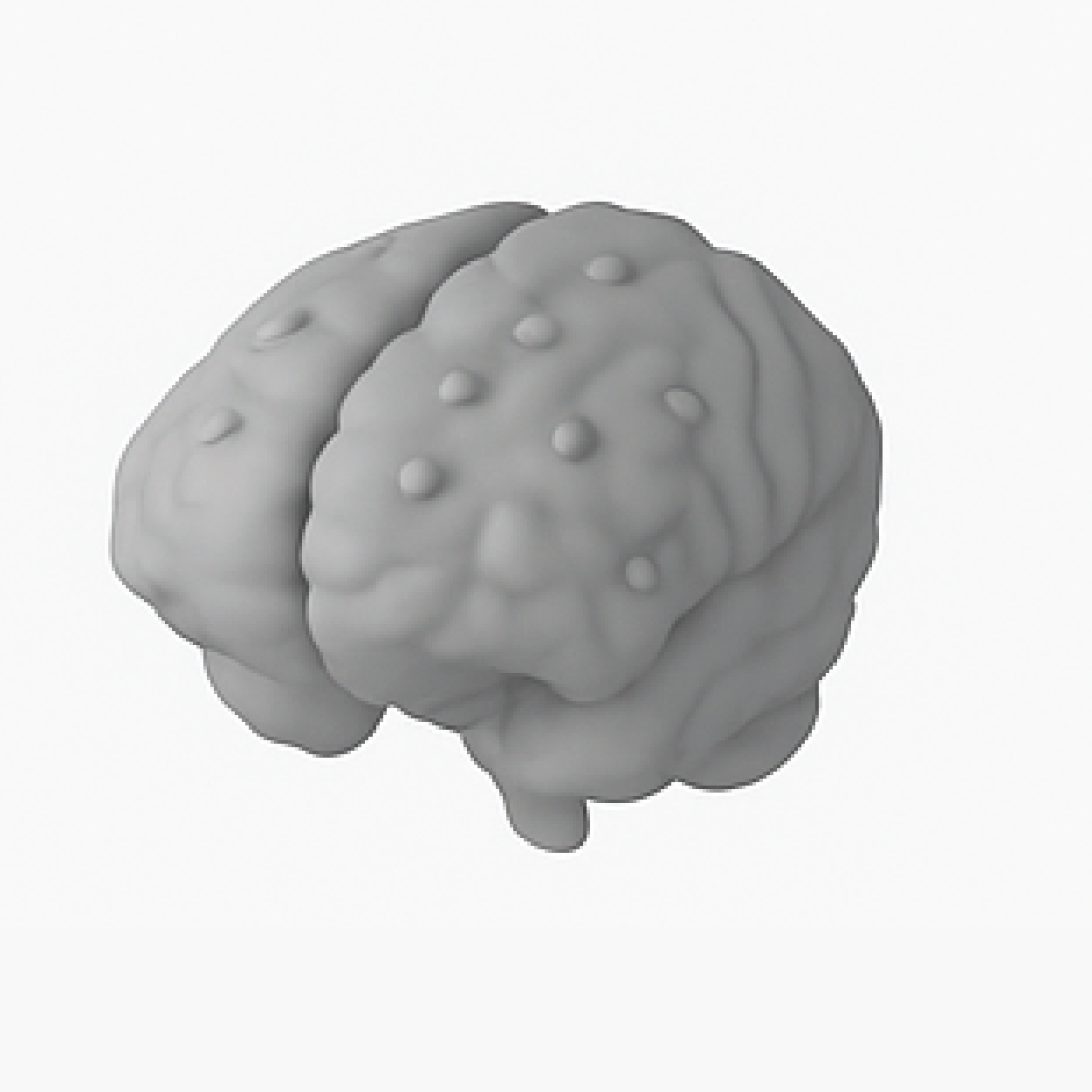
iEEG
Intracranial EEG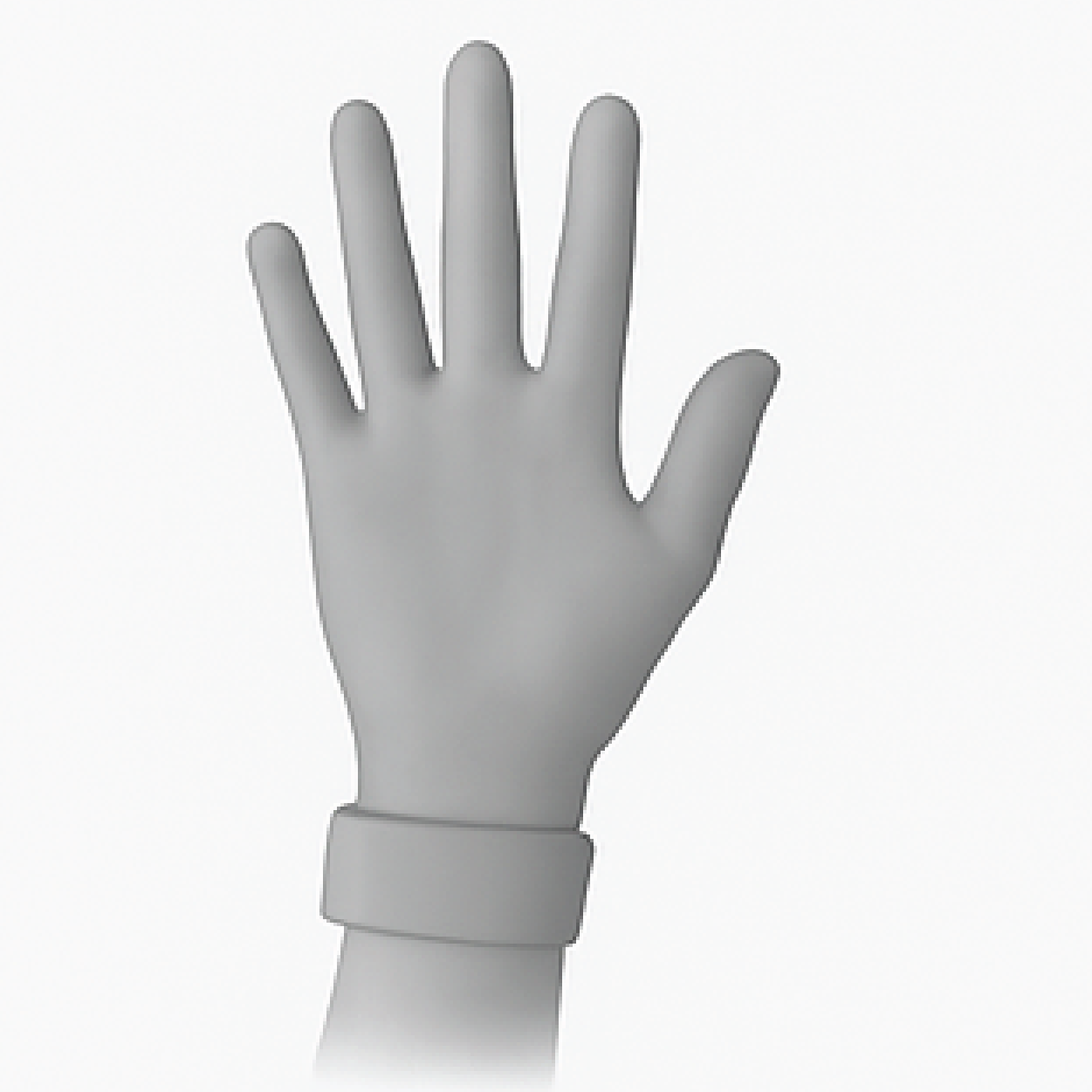
Wearables
Wearable sensors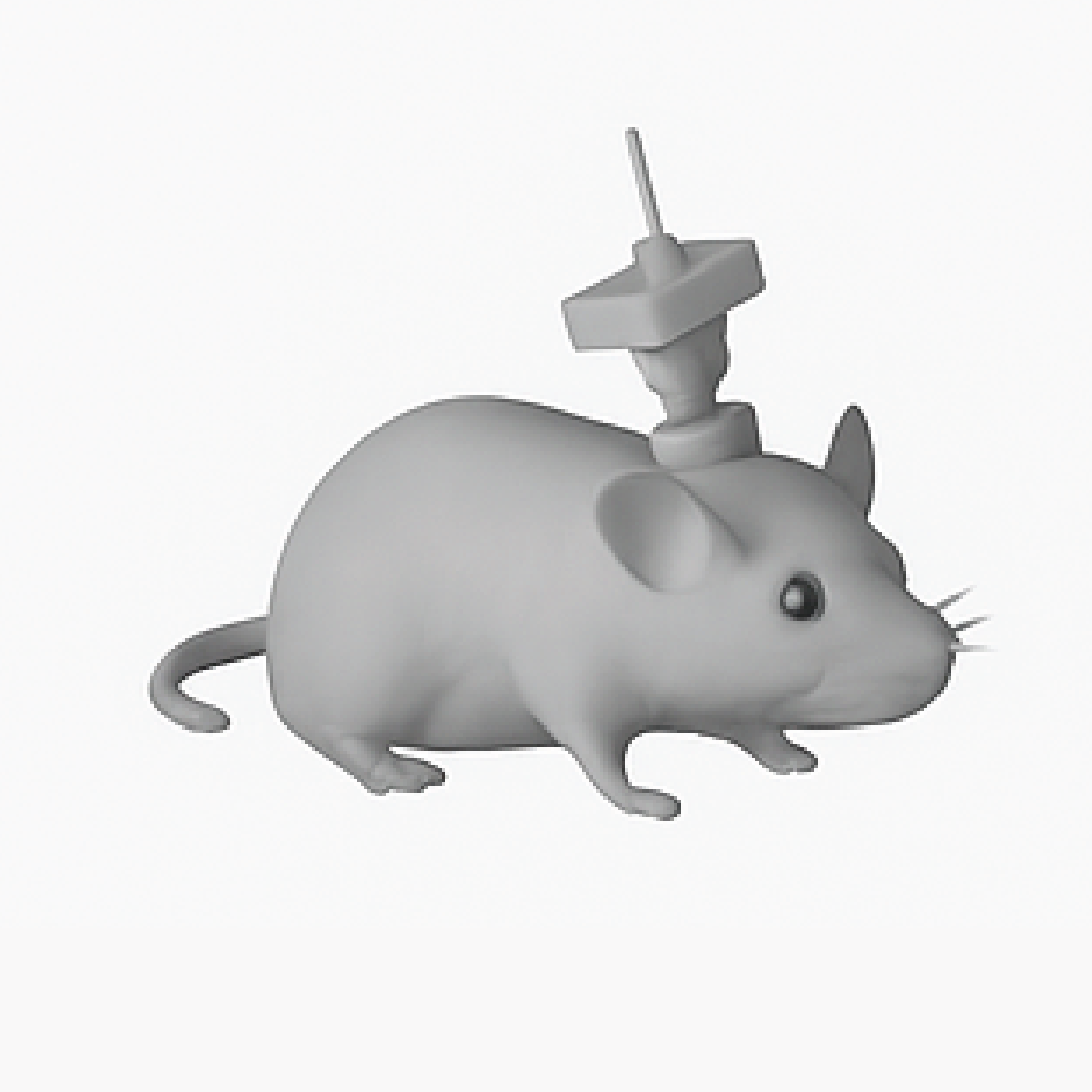
OPhys
Calcium imaging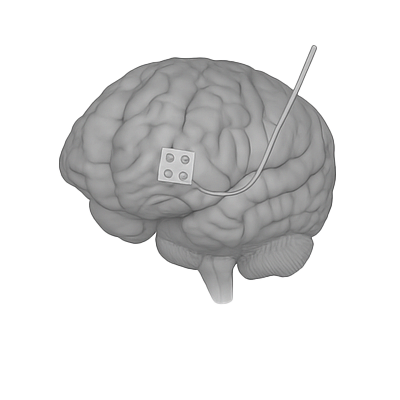
sEEG
Stereotactic EEG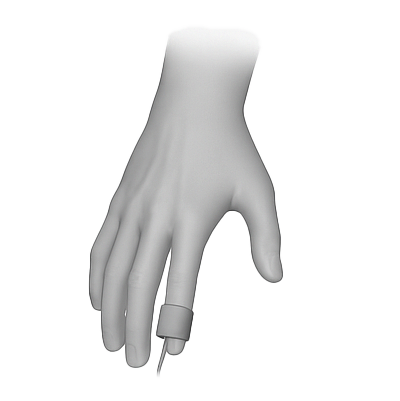
EDA
Electrodermal Activity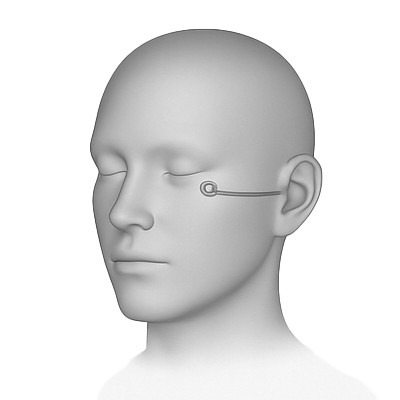
EOG
Electrooculography
PPG
Photoplethysmography
PSG
PolysomnographySubmission Guidelines
Format and Length: Submissions should be 5 pages maximum (excluding references and appendices) using the modified NeurIPS 2026 LaTeX style. All submissions will be made through OpenReview.
Anonymization: All submissions must be fully anonymized and cannot contain any identifying information that would violate our double-blind reviewing policy.
Novelty Requirement: We strongly discourage submissions of previously published work.
Spotlight Presentations: 9 submissions will be selected for spotlight talks during the workshop.
Poster Session: All accepted papers will be presented during the poster session.
Non-archival Workshop: The workshop will be non-archival, thus allowing authors to submit their work to other venues. However, all accepted papers will be available on OpenReview and the workshop website.
Concurrent NeurIPS Submissions: You are welcome to submit work that is concurrently under review at the NeurIPS 2026 main conference. However, in accordance with the NeurIPS 2026 workshop guidelines, work that is accepted to and presented at the main conference cannot also be presented at a workshop. If your paper is accepted to the main conference, please notify us promptly so that we can withdraw it from the workshop program. The same applies to work that has already been published at other conferences, which the workshop is not a venue for.
Questions: If you have any questions about the submission process, please send an email to brainbodyfm@googlegroups.com.
EEG/EMG Foundation Challenge 2026
This year, we are collaborating again with the EEG/EMG Foundation Challenge 2026, which builds on last year's EEG Foundation Challenge 2025, which drew 1,197 teams from 247 institutions across 50+ countries and 8,622 submissions. This year the challenge broadens its scope from EEG to both EEG and EMG, inviting participants to build models that generalize across four diverse tasks: EEG-to-image, BCI command decoding, sleep-onset prediction, and EMG-to-pose.
The top entry in the challenge will be invited to give a contributed spotlight talk at our workshop.